Hurricane season in the northern hemisphere is over, and the term "margin of error" comes to mind.
The 2024 Atlantic hurricane season, which officially ends on Nov. 30, showcased above-average activity, with a record-breaking ramp up following a peak-season lull.Above average for named storms, hurricanes, and major hurricanes, but a major anomaly none-the-less. "2024 season came roaring back despite slowdown during typical peak period." Or, as we noted, "The opening three months of the 2024 hurricane season turned out to be extraordinary, in a boring sort of way."
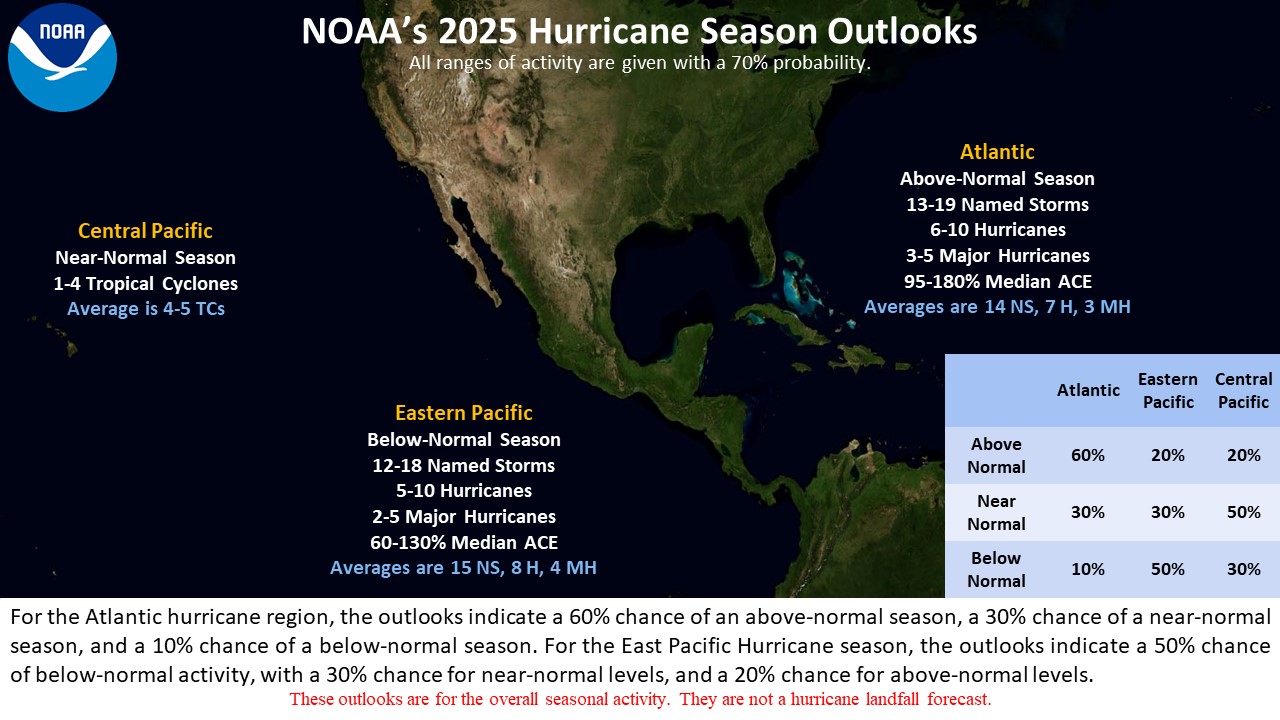
The Atlantic basin saw 18 named storms in 2024 (winds of 39 mph or greater). Eleven of those were hurricanes (winds of 74 mph or greater) and five intensified to major hurricanes (winds of 111 mph or greater). Five hurricanes made landfall in the continental U.S., with two storms making landfall as major hurricanes. The Atlantic seasonal activity fell within the predicted ranges for named storms and hurricanes issued by NOAA’s Climate Prediction Center in the 2024 August Hurricane Season Outlook. An average season produces 14 named storms, seven hurricanes and three major hurricanes.
Yes, it got interesting after that, with Helene following a continental rain storm into the southern Appalachians, and Milton bringing another hurricane to Florida.And what ever happened to Rafael and Sara?
Twelve named storms formed after the climatological peak of the season in early September. Seven hurricanes formed in the Atlantic since September 25 — the most on record for this period.That is, there might be a few more confounding factors to consider, particularly when the Atlantic hurricane season developed as expected. Then there was the curious matter of the Pacific hurricane season.
“The impactful and deadly 2024 hurricane season started off intensely, then relaxed a bit before roaring back,” said Matthew Rosencrans, lead hurricane forecaster at NOAA’s Climate Prediction Center, a division of NOAA’s National Weather Service. “Several possible factors contributed to the peak season lull in the Atlantic region. The particularly intense winds and rains over Western Africa created an environment that was less hospitable for storm development.”
Hurricane season activity was below-normal for both the eastern Pacific basin and central Pacific basin and fell within predicted ranges, respectively.Take a longer view, and perhaps there's little reason to panic.
The eastern Pacific basin hurricane season had 12 named storms, with four becoming hurricanes and three intensifying to major hurricane status. The central Pacific had two named storms.
It's finally done. Over 3 days of hand-plotting 173 years' worth of data. The end result is unbelievable.
— Michael Ferragamo (@FerragamoWx) December 18, 2024
What an incredible dataset to look at. pic.twitter.com/pLEM7NgaJT




No comments:
Post a Comment